BNB $578,77 -0,28%
XRP $1,10 -1,40%
ETH $1 818,62 -0,26%
BTC $64 158,82 -0,16%
BNB $578,77 -0,28%
XRP $1,10 -1,40%
ETH $1 818,62 -0,26%
BTC $64 158,82 -0,16%
URGENT

Actualités des Altcoins

Suivez l’actualité des altcoins : Ethereum, Solana, XRP, Cardano et des milliers d’autres cryptomonnaies. Analyses de marché, lancements de tokens et mises à jour de projets.
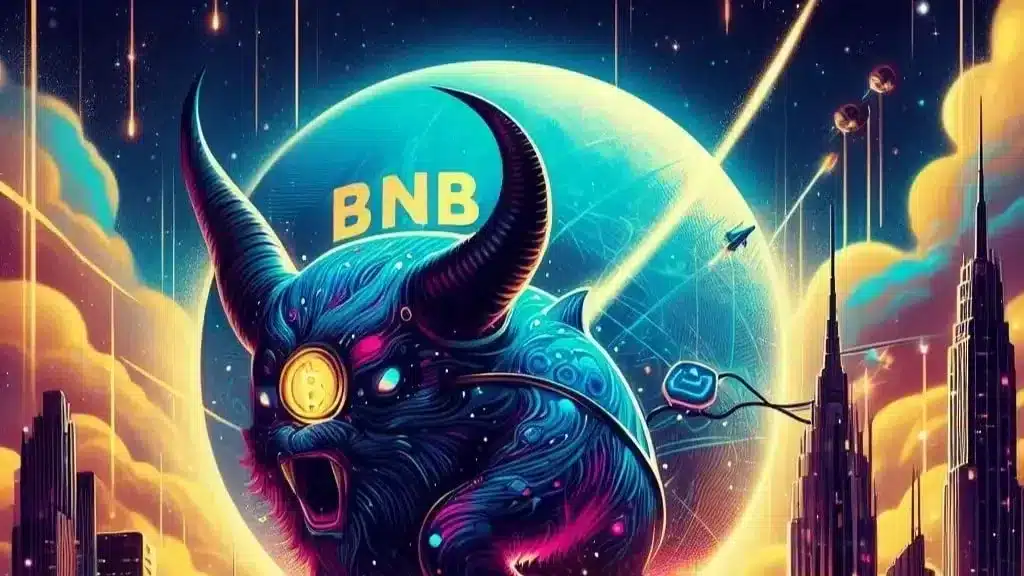

Ripple’s XRP token is making waves again after a strong price surge that took it to a recent high of $3.65. The digital asset has now stabilized between $2.35 and $3.50, the speculation about whether it could soon break through the $4 barrier. The renewed interest in XRP isn’t just based on technical indicators—it’s also being fueled by growing political attention and rumors of a potential exchange-traded fund (ETF) focused on XRP. XRP Price Action and Key Levels XRP’s recent price action is drawing attention from traders and investors alike. After months of trading sideways, the token finally broke out, gaining bullish momentum and hitting $3.65. While it has slightly retreated from that peak, the current trading range suggests consolidation, with $3.50 acting as a crucial resistance level. If XRP can close above $3.50 with strong volume, analysts believe it could open the door to a run toward $4. However, not everything is guaranteed. If the token fails to hold above $3.35, there may be a pullback toward $3.10. Such a correction would still be seen as a healthy move before the next potential leg up. In other words, as long as the price stays above $3.10 and doesn’t break down sharply, the bullish sentiment remains intact. Political Support and XRP ETF Speculation What’s helping XRP beyond the charts is a surge in media and political attention. Former U.S. President Donald Trump recently posted a video on his social platform that explained Bitcoin. While the post didn’t directly mention XRP, it reignited interest in crypto assets in general. The fact that a high-profile political figure is engaging with the crypto conversation has boosted hopes that digital assets could gain stronger mainstream and even political acceptance in the near future. This buzz has extended to talk of an XRP ETF possibly being approved in 2025. If the U.S. Securities and Exchange Commission (SEC) gives the green light, it could mark a major turning point. An XRP ETF would open the door for institutional investors, including hedge funds, asset managers, and potentially even pension funds, to buy into XRP more easily. The result could be significant capital inflows that drive the price higher. Why XRP Could Be Gearing Up for More Gains Right now, XRP is outperforming many of its peers in the market. Its relative strength can be attributed to three main factors: technical bullishness, growing political attention, and ETF optimism. These combined elements are building a compelling case for the token’s continued rise. Moreover, with the broader crypto market showing signs of renewed momentum, XRP could benefit from increased investor confidence across the board. Traders are keeping a close eye on whether XRP can flip the $3.50 resistance into support. If that happens, a quick move toward $4 might follow. It’s also worth noting that XRP has a history of sharp price movements during bullish cycles. In the past, the token has delivered significant gains within a short period, and many investors are betting that history could repeat itself—especially with new catalysts on the horizon. Conclusion XRP is at a pivotal moment. With bullish chart patterns, political conversations heating up, and potential institutional interest via an ETF, the stage is set for possible further growth. While short-term pullbacks are possible, the outlook remains optimistic as long as XRP holds key support levels. If momentum continues, the push to $4 could happen sooner than expected—marking a new chapter for Ripple’s native token in 2025.

Juil 21, 2025 · 3 min de lecture

Questions fréquentes

Qu'est-ce que les altcoins ?

Les altcoins regroupent toutes les cryptomonnaies autres que le Bitcoin — le terme vient de "alternative coins" (pièces alternatives). Cela inclut Ethereum (ETH), Solana (SOL), XRP, Cardano (ADA), BNB et plus de 10 000 autres tokens. Les altcoins visent généralement à améliorer la conception du Bitcoin (transactions plus rapides, smart contracts, frais réduits) ou à servir des cas d'usage spécifiques comme la DeFi, les NFT ou le gaming.

Quels altcoins ont la plus grosse capitalisation ?

Les plus grands altcoins par capitalisation boursière sont généralement Ethereum (ETH), Tether (USDT), BNB, Solana (SOL), USDC, XRP et Cardano (ADA). Les classements changent fréquemment — The Currency Analytics suit en direct les capitalisations, prix et classements des altcoins sur nos pages dédiées mises à jour toutes les 5 minutes.

Comment choisir un altcoin pour investir ?

Évaluer un altcoin nécessite de rechercher les fondamentaux du projet : crédibilité de l'équipe, utilité réelle, tokenomics (offre, distribution, inflation), développement actif sur GitHub, partenariats, TVL pour les protocoles DeFi, et engagement de la communauté. La diversification entre catégories (Layer 1, Layer 2, DeFi, infrastructure) réduit le risque. N'investissez jamais plus que ce que vous pouvez perdre.

Quelle est la différence entre altcoins et memecoins ?

Les altcoins ont généralement une utilité (smart contracts, DeFi, solutions de scaling) et sont soutenus par des équipes de développement sérieuses. Les memecoins (Dogecoin, Shiba Inu, Pepe) débutent comme blagues internet ou phénomènes communautaires avec une utilité initiale limitée, bien que certains développent des écosystèmes avec le temps. Les memecoins comportent une volatilité et un risque spéculatif nettement plus élevés.

Quand a lieu l'altseason ?

L'altseason (saison des altcoins) survient historiquement quand la dominance Bitcoin chute et que les capitaux migrent du BTC vers les altcoins, souvent après les halvings Bitcoin (2017, 2021, attendu en 2025-2026). Les indicateurs incluent un ratio ETH/BTC en hausse, des volumes d'échange altcoins croissants, et une dominance Bitcoin sous 50%. The Currency Analytics couvre quotidiennement les tendances altseason et les signaux de rotation.

Les altcoins sont-ils plus risqués que le Bitcoin ?

Oui, les altcoins présentent généralement un risque plus élevé que le Bitcoin : des capitalisations plus petites entraînent une volatilité accrue, beaucoup de projets échouent ou sont délistés, une liquidité moindre crée des spreads plus larges, et la plupart des altcoins sous-performent le Bitcoin sur les cycles pluriannuels. Cependant, les altcoins de premier rang (Ethereum, Solana) ont aussi délivré des rendements bien supérieurs en marché haussier. Risque et récompense évoluent ensemble.